3 Ethical Concerns in AI Digital Human Development
Discussing the 3 most critical ethical concerns regarding the creation and use of AI-powered digital humans.
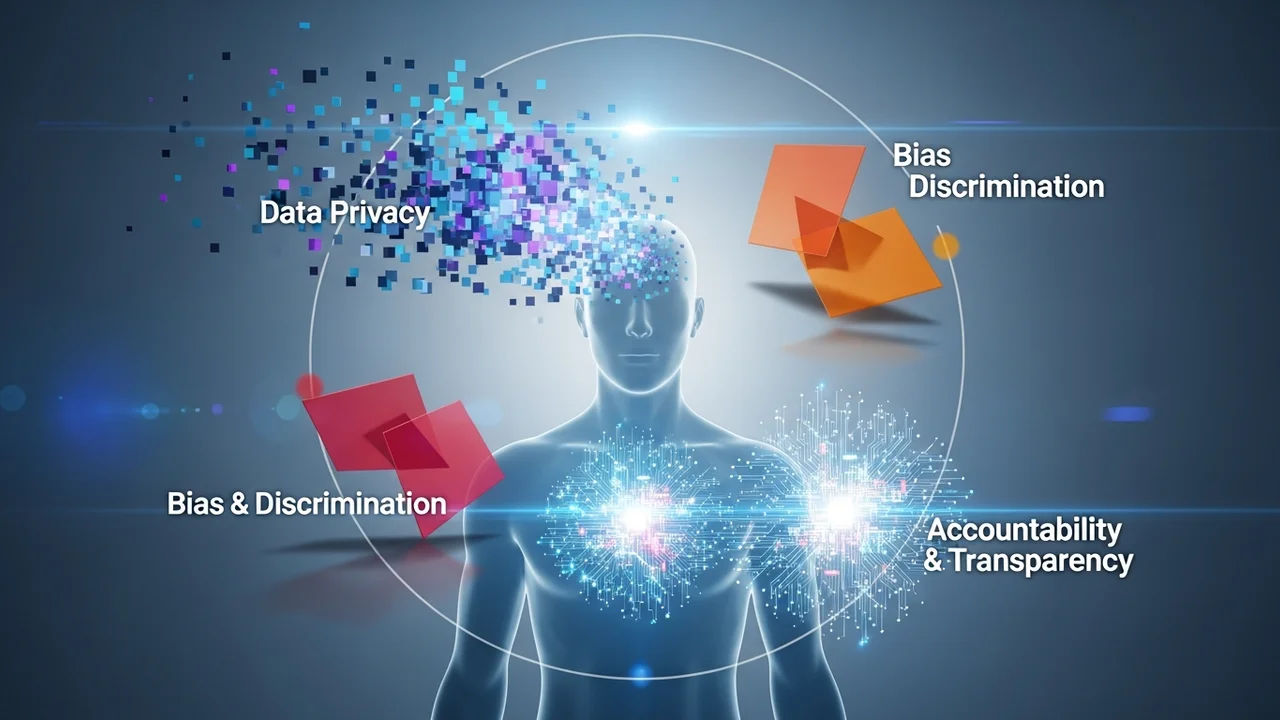
3 Ethical Concerns in AI Digital Human Development
Discussing the 3 most critical ethical concerns regarding the creation and use of AI-powered digital humans.
We are living in a time where the line between reality and simulation is blurring faster than ever. Digital humans—those hyper-realistic, AI-driven avatars—are popping up everywhere, from customer service kiosks to social media influencers. But as these creations get smarter and more lifelike, we have to stop and ask ourselves: what are the real costs? It is not just about the tech; it is about the ethics. Let’s dive into the three biggest headaches we are facing right now.
Privacy and Data Consent in AI Digital Human Creation
The first major hurdle is privacy. To make a digital human look and sound like a real person, you need data—lots of it. We are talking about voice samples, facial scans, and behavioral patterns. When companies build these avatars, they often scrape data from social media or use deepfake technology to mimic real individuals without explicit, ongoing consent. It is a massive gray area. If your digital twin is out there selling products or interacting with strangers, do you really own that identity anymore? Products like Synthesia and HeyGen are leading the pack in avatar generation, but they also highlight the need for strict data governance. While these platforms offer enterprise-grade security, the risk of unauthorized data usage remains a top concern for users. Pricing for these services typically ranges from $30 to $500 per month depending on the scale of production, but the cost of a privacy breach is far higher.
The Psychological Impact of Hyper Realistic AI Avatars
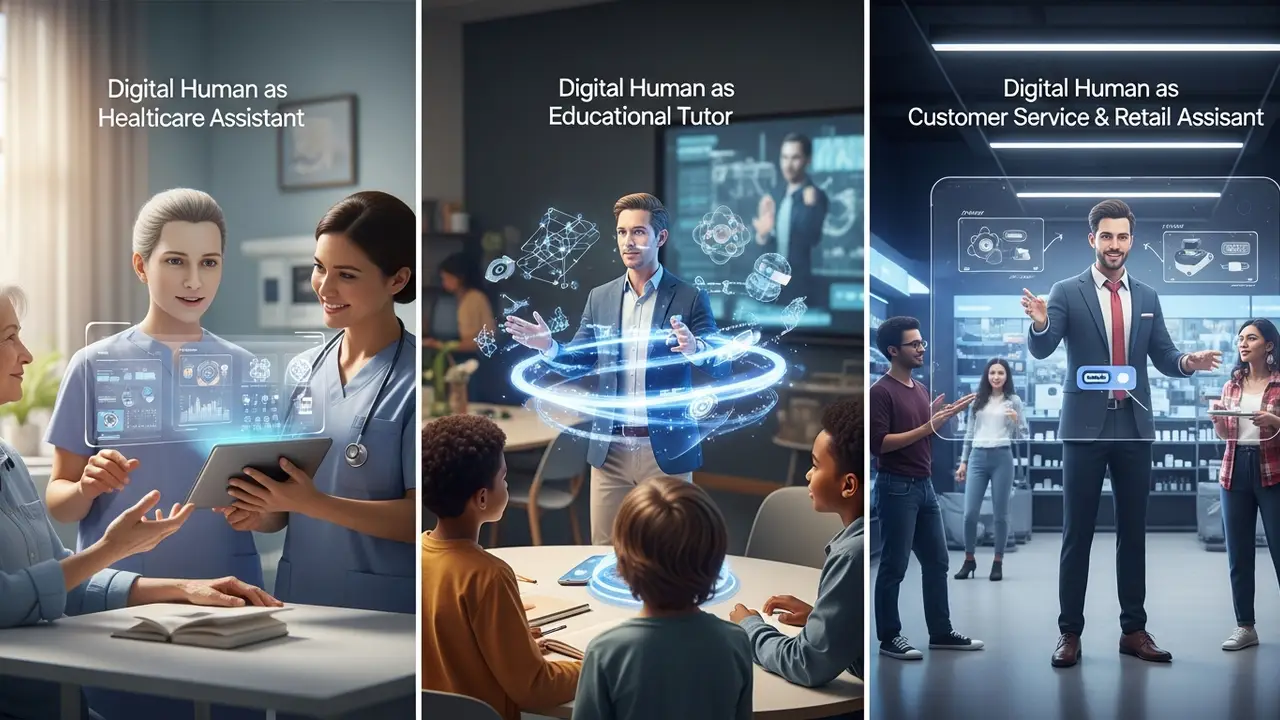
Next up is the psychological toll. We are social creatures, and our brains are wired to trust faces that look human. When an AI avatar is designed to be perfectly empathetic, it can manipulate our emotions. Think about Soul Machines or Uneeq. These companies create digital humans that can read your facial expressions and respond with 'human' empathy. It is incredible for customer support, but it is also a bit unsettling. If a digital human can fake a connection, how do we maintain authentic human relationships? We are seeing these used in healthcare for patient support, which is a great use case, but the risk of emotional dependency is real. Comparing these, Soul Machines focuses heavily on 'Digital Brain' architecture, while Uneeq leans into conversational flow. Both are premium enterprise solutions, often costing thousands of dollars per deployment, reflecting the high-end nature of their cognitive AI engines.
Bias and Representation in AI Digital Human Algorithms
Finally, we have to talk about bias. AI is only as good as the data it is fed. If the training sets for digital humans are skewed, the avatars will be too. This leads to stereotypes being baked into the very fabric of our virtual worlds. Whether it is the way an avatar speaks, its cultural markers, or its physical appearance, we risk creating a digital landscape that excludes or misrepresents entire groups of people. Tools like D-ID and DeepBrain AI are constantly updating their models to be more inclusive, but it is an uphill battle. When you compare these tools, look at their diversity metrics. D-ID is fantastic for quick, expressive video generation, while DeepBrain AI excels in professional training scenarios. Prices for these tools are more accessible, often starting at $20 to $100 per month, making them popular for small businesses. However, the responsibility to ensure these avatars represent a diverse reality falls on the creators, not just the software developers.
Navigating the Future of Ethical AI Avatars
So, where does this leave us? We are not going to stop building digital humans—the technology is too useful. But we need to be smarter about how we deploy them. Whether you are using Ready Player Me for gaming avatars or MetaHuman for high-end cinematic production, the focus should be on transparency. If you are building a digital human, be clear about it. Don't try to trick people into thinking they are talking to a human when they are not. The future of this tech depends on trust. If we lose that, the whole virtual world experiment might just fall apart. Keep an eye on the evolving regulations, stay informed about the tools you use, and always prioritize the human element in your digital designs.
:max_bytes(150000):strip_icc()/277019-baked-pork-chops-with-cream-of-mushroom-soup-DDMFS-beauty-4x3-BG-7505-5762b731cf30447d9cbbbbbf387beafa.jpg)