5 Best AI Virtual World Platforms for Creators in 2024
Discover the top 5 AI-powered virtual world platforms that empower creators to build immersive 3D environments with ease and efficiency.
5 Best AI Virtual World Platforms for Creators in 2024
Discover the top 5 AI-powered virtual world platforms that empower creators to build immersive 3D environments with ease and efficiency.
If you have been keeping an eye on the tech scene lately, you know that building virtual worlds used to be a massive headache. You needed a degree in computer science, a beefy PC, and months of spare time just to get a single tree to look right. But things have changed. With the rise of generative AI, the barrier to entry has completely collapsed. Now, you can literally type a prompt and watch a 3D landscape materialize before your eyes. It is wild, and honestly, it is the best time to be a creator.
Top AI Virtual World Platforms for Immersive 3D Development
Let’s talk about the heavy hitters. When we look at the current market, five platforms really stand out for their ability to integrate AI into the creative workflow. These aren't just tools; they are ecosystems that allow you to build, script, and populate worlds without needing to write thousands of lines of code.
First up is Roblox. You might think of it as just a game, but with their new Generative AI suite, it has become a powerhouse for creators. You can use AI to generate textures, materials, and even basic scripts. It is perfect for beginners who want to see their ideas come to life quickly. Pricing is free to start, but they take a cut of your virtual economy earnings.
Next is The Sandbox. This is the go-to for anyone interested in the Web3 side of things. Their AI tools focus on voxel-based asset generation. If you want to build a world that feels like a retro-modern hybrid, this is your playground. It is great for creators who want to own their assets as NFTs.
Then we have Spatial. This platform is all about social interaction and high-fidelity visuals. They have integrated AI to help with lighting and environment optimization, making it super easy to host events or galleries. It runs in the browser, which is a huge plus for accessibility.
Unity, specifically with their Muse and Sentis tools, is the professional choice. If you are serious about building a high-end simulation, Unity’s AI tools help you automate complex physics and NPC behaviors. It is a bit steeper on the learning curve, but the ceiling for quality is much higher.
Finally, NVIDIA Omniverse. This is the gold standard for industrial-grade simulations. It uses AI to handle real-time ray tracing and physics, making it the best choice for digital twins and hyper-realistic environments. It is free for individual creators, but enterprise licenses can get pricey.
Comparing AI Features and Creator Tools for Virtual Worlds
When you compare these, it really comes down to what you are trying to build. If you want a social hub, go with Spatial. If you want a game, go with Roblox. If you are building a digital twin for a factory, you have to use Omniverse. The AI features in Roblox are more about 'speed of creation,' while Unity’s AI features are about 'precision and performance.' The Sandbox is unique because it ties everything to a blockchain-based economy, which changes how you approach asset creation—you aren't just building a world; you are building a marketplace.
Practical Use Cases for AI Driven Virtual Environments
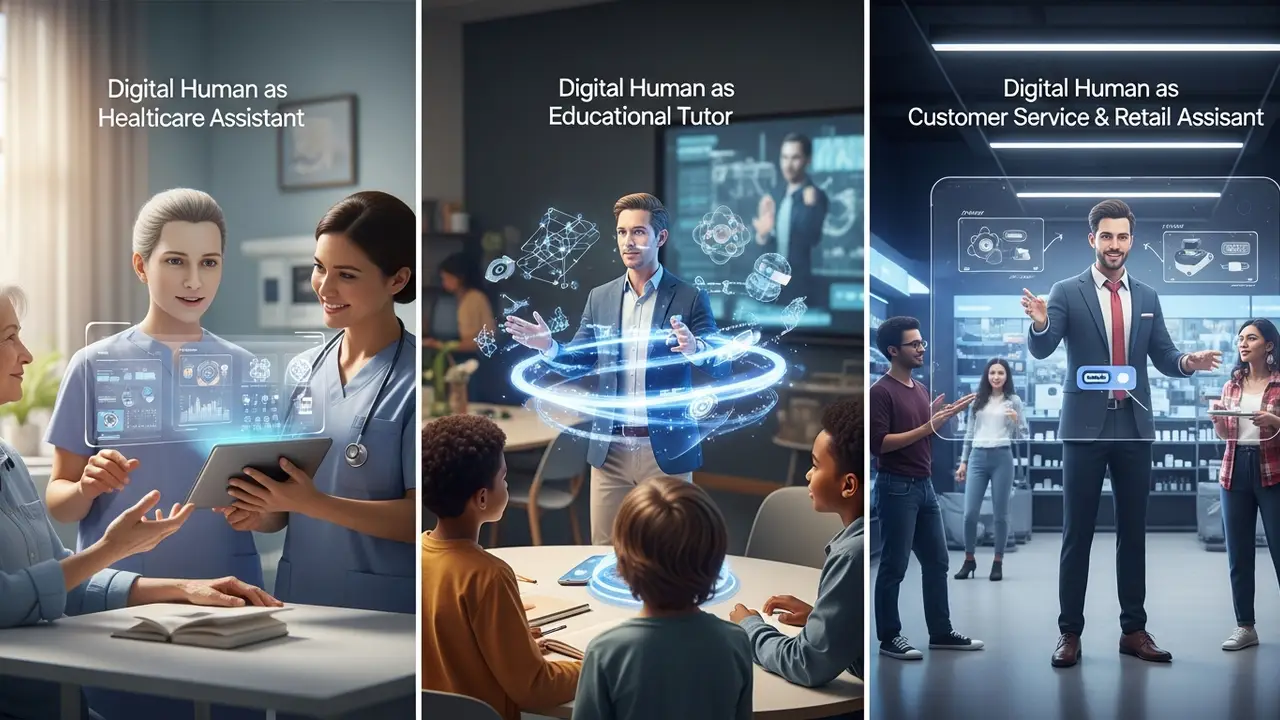
So, what can you actually do with these? Think beyond just gaming. We are seeing creators build virtual classrooms where AI tutors guide students through historical events. We are seeing architects build virtual showrooms where clients can walk through a house before a single brick is laid. We are even seeing brands create virtual pop-up shops where AI-driven digital humans help customers find the right products. The use cases are endless because the AI handles the heavy lifting of asset generation, leaving you to focus on the experience and the story.
Pricing and Accessibility for Virtual World Builders
Most of these platforms follow a 'freemium' model. Roblox and The Sandbox are free to start building, but they monetize through transaction fees. Spatial has a free tier that is very generous, with paid tiers for larger events or private spaces. Unity is free for personal use until you hit a certain revenue threshold, and then it becomes a subscription model. NVIDIA Omniverse is free for individual creators, which is a massive win for the community. When you are picking your platform, don't just look at the price tag; look at the community support and the marketplace where you can sell your assets. That is where the real value lies for a creator in 2024.
:max_bytes(150000):strip_icc()/277019-baked-pork-chops-with-cream-of-mushroom-soup-DDMFS-beauty-4x3-BG-7505-5762b731cf30447d9cbbbbbf387beafa.jpg)