3 Best AI Tools for Energy Grid Simulation
Explore the 3 best AI tools for simulating energy grids to improve efficiency and renewable energy integration.
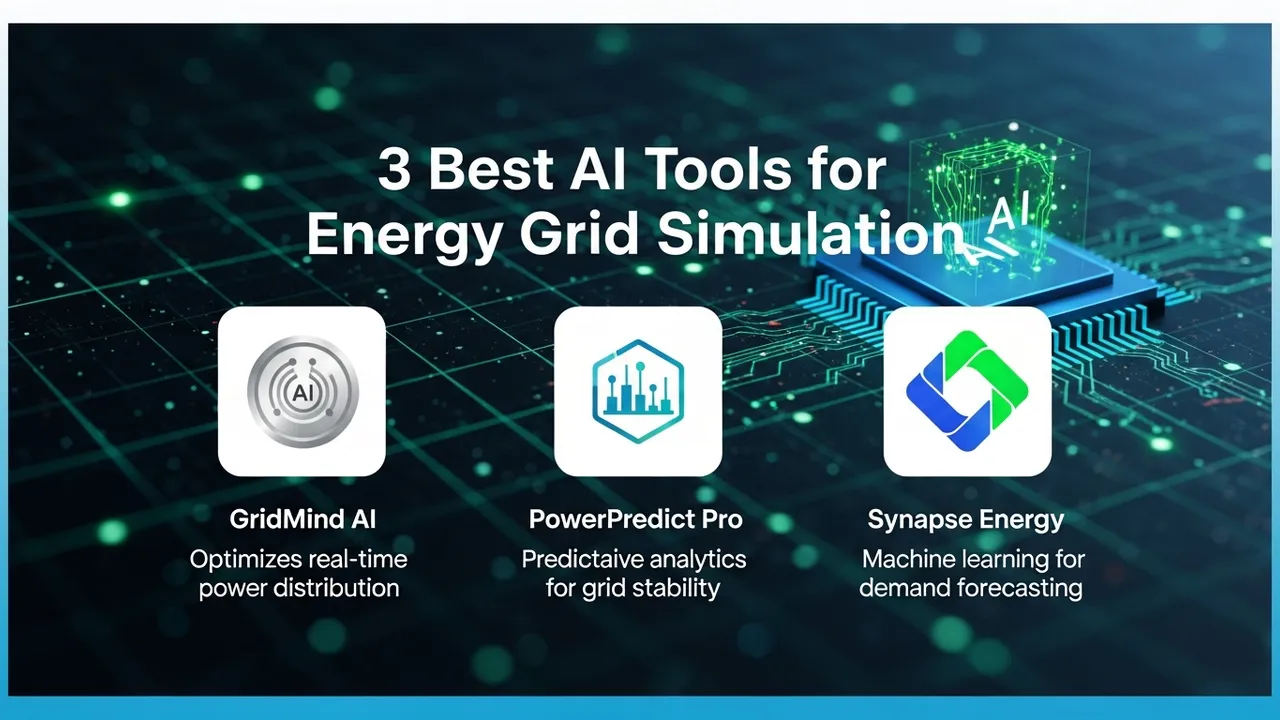
Explore the 3 best AI tools for simulating energy grids to improve efficiency and renewable energy integration.
3 Best AI Tools for Energy Grid Simulation
If you have been keeping an eye on the energy sector lately, you know that the transition to renewables is not just about putting up more solar panels or wind turbines. It is about the grid itself. Our aging infrastructure is struggling to handle the intermittent nature of green energy, and that is where AI-driven simulation comes into play. We are talking about digital twins and predictive modeling that can forecast load, prevent blackouts, and optimize distribution in real-time. Today, I want to break down the top three AI tools that are currently changing the game for energy grid simulation.
Understanding AI Driven Energy Grid Simulation and Predictive Modeling
Before we dive into the specific software, let us get on the same page about why this matters. Traditional grid management relies on static models that simply cannot keep up with the dynamic, decentralized nature of modern energy. AI simulation tools allow engineers to create a digital twin of the entire grid. You can run thousands of 'what-if' scenarios—like a sudden heatwave, a massive storm, or a surge in EV charging—without ever touching the physical hardware. This is about moving from reactive maintenance to proactive optimization.
Top 3 AI Tools for Energy Grid Simulation
After testing various platforms, three stand out for their integration of machine learning and high-fidelity physics engines.
1. GE Vernova GridOS
GE Vernova is a titan in this space, and their GridOS is essentially the operating system for the modern grid. It uses AI to orchestrate distributed energy resources (DERs). It is incredibly robust and designed for large-scale utility providers. The AI here focuses on 'orchestration,' meaning it manages the flow of power from thousands of small sources back into the main grid seamlessly.
2. Siemens Spectrum Power
Siemens is the gold standard for industrial-grade simulation. Their Spectrum Power platform uses advanced analytics to predict grid stability. What I love about this one is its focus on security and reliability. It is the tool you want if you are managing a national or regional grid where downtime is simply not an option.
3. AutoGrid Flex
AutoGrid is a bit different. It is more focused on the 'Virtual Power Plant' (VPP) concept. It uses AI to aggregate thousands of small energy assets—like home batteries or smart thermostats—and turns them into a single, dispatchable power plant. It is incredibly agile and perfect for companies looking to monetize their energy assets.
Comparing Features and Use Cases for Energy Simulation Software
When you look at these three, the choice really comes down to your specific needs. GE Vernova is your heavy-duty infrastructure play. If you are a utility company, this is your go-to. Siemens is the reliability king, perfect for grid operators who need deep, granular control over physical assets. AutoGrid is the innovator’s choice; it is built for the future of decentralized energy and is much easier to deploy if you are working with IoT-connected devices.
Pricing Models and Implementation Costs
Let us talk numbers, though keep in mind that these are enterprise-level tools, so 'pricing' is rarely a simple subscription fee. GE Vernova and Siemens typically operate on a custom licensing model based on the size of the grid and the number of nodes being monitored. You are looking at six-figure implementation costs, plus ongoing maintenance fees. AutoGrid, on the other hand, often uses a SaaS-based model, which makes it more accessible for smaller energy providers or aggregators. You might pay a per-asset fee, which scales as your virtual power plant grows.
Real World Applications and Future Trends
We are seeing these tools used in fascinating ways. For instance, grid operators are using these simulations to plan for the massive influx of electric vehicles. By simulating how a neighborhood's transformer will react when everyone plugs in their cars at 6 PM, they can proactively upgrade infrastructure before a failure occurs. Another huge trend is the integration of weather forecasting AI. By linking meteorological data directly into the grid simulation, operators can predict wind and solar output with 95% accuracy, allowing them to balance the grid with minimal reliance on fossil fuel peaker plants.
The bottom line is that the grid of the future is digital. Whether you are a utility giant or a startup building a virtual power plant, these AI tools are no longer optional—they are the foundation of a stable, green energy future. If you are just starting out, look into the API capabilities of these platforms to see how they can integrate with your existing IoT infrastructure. The barrier to entry is dropping, and the data insights you get back are worth every penny of the investment.
:max_bytes(150000):strip_icc()/277019-baked-pork-chops-with-cream-of-mushroom-soup-DDMFS-beauty-4x3-BG-7505-5762b731cf30447d9cbbbbbf387beafa.jpg)